How to Prepare Your Home for the Rainy Season: Pressure Washing Tips
KG
As the rainy season approaches, homeowners often find themselves scrambling to prepare their properties for the wet weather. One of the most effective ways to safeguard your home is through pressure washing. This technique not only enhances the aesthetic appeal of your property but also helps in preventing damage caused by accumulated dirt and mold.
Understanding Pressure Washing
Pressure washing involves using high-pressure water spray to remove dirt, grime, mold, and other contaminants from surfaces. It's a powerful method that can be applied to various parts of your home, including driveways, decks, and siding. Understanding the basics of pressure washing can help you achieve the best results.
Choosing the Right Equipment
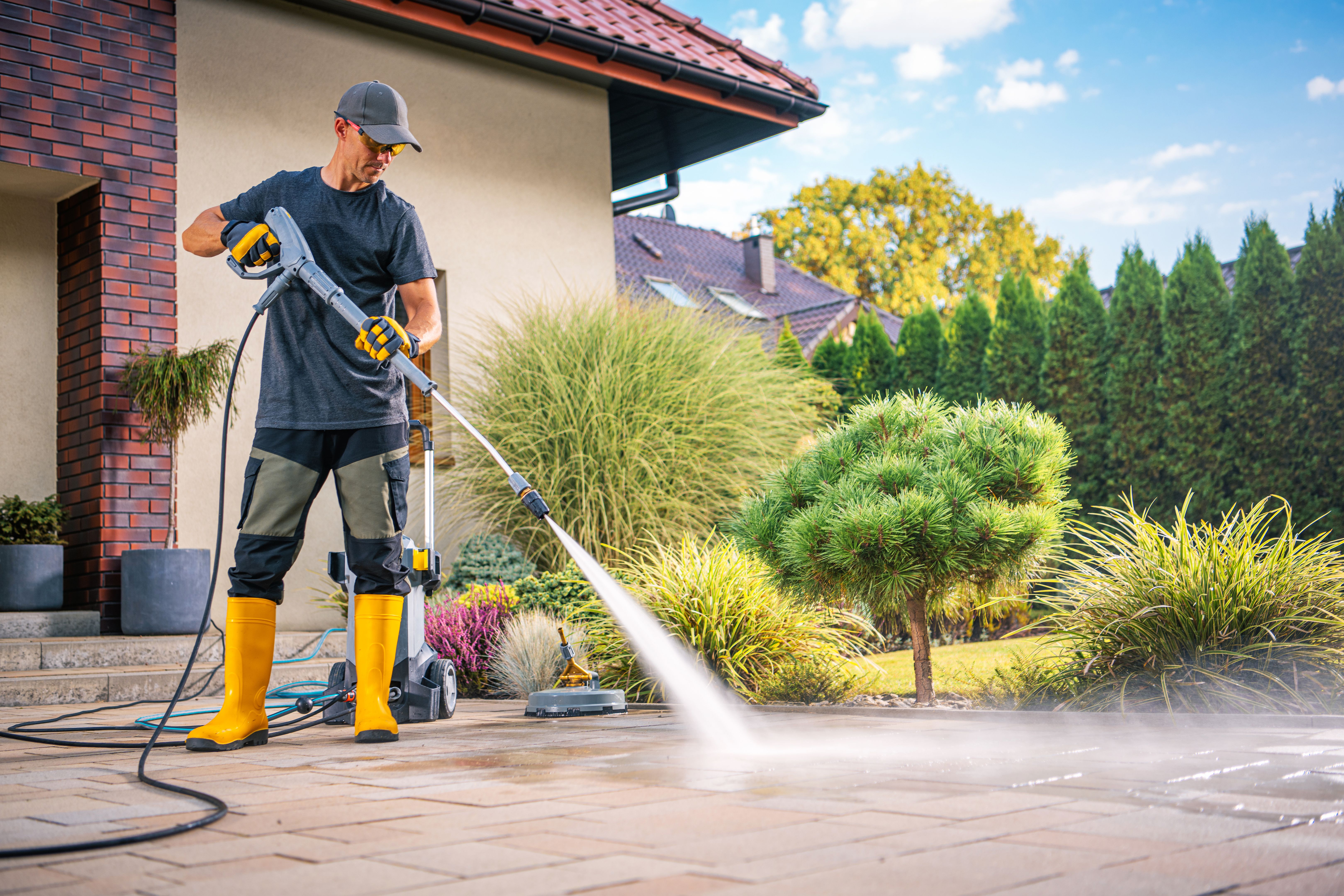
Before you start, ensure you have the right equipment. Depending on the size of the area and the level of grime, you may need a different pressure washer. For smaller areas, a light-duty pressure washer might suffice, but for larger or heavily soiled areas, consider a more powerful model. Check the PSI (pounds per square inch) and GPM (gallons per minute) ratings to ensure you're equipped for the task.
Preparing Surfaces for Pressure Washing
Proper preparation is key to effective pressure washing. Start by removing any outdoor furniture, plants, or other obstacles from the area. This ensures an even clean and prevents damage to your belongings. Additionally, cover any electrical outlets and delicate plants with plastic sheeting to protect them from water exposure.

Using the Correct Techniques
When pressure washing, it's essential to use the correct techniques to avoid damaging surfaces. Keep the nozzle at a consistent distance from the surface, usually about 12 to 18 inches, and move in a steady, sweeping motion. Avoid staying in one spot for too long, as this can cause etching or other damage to the material.
Targeting Specific Areas
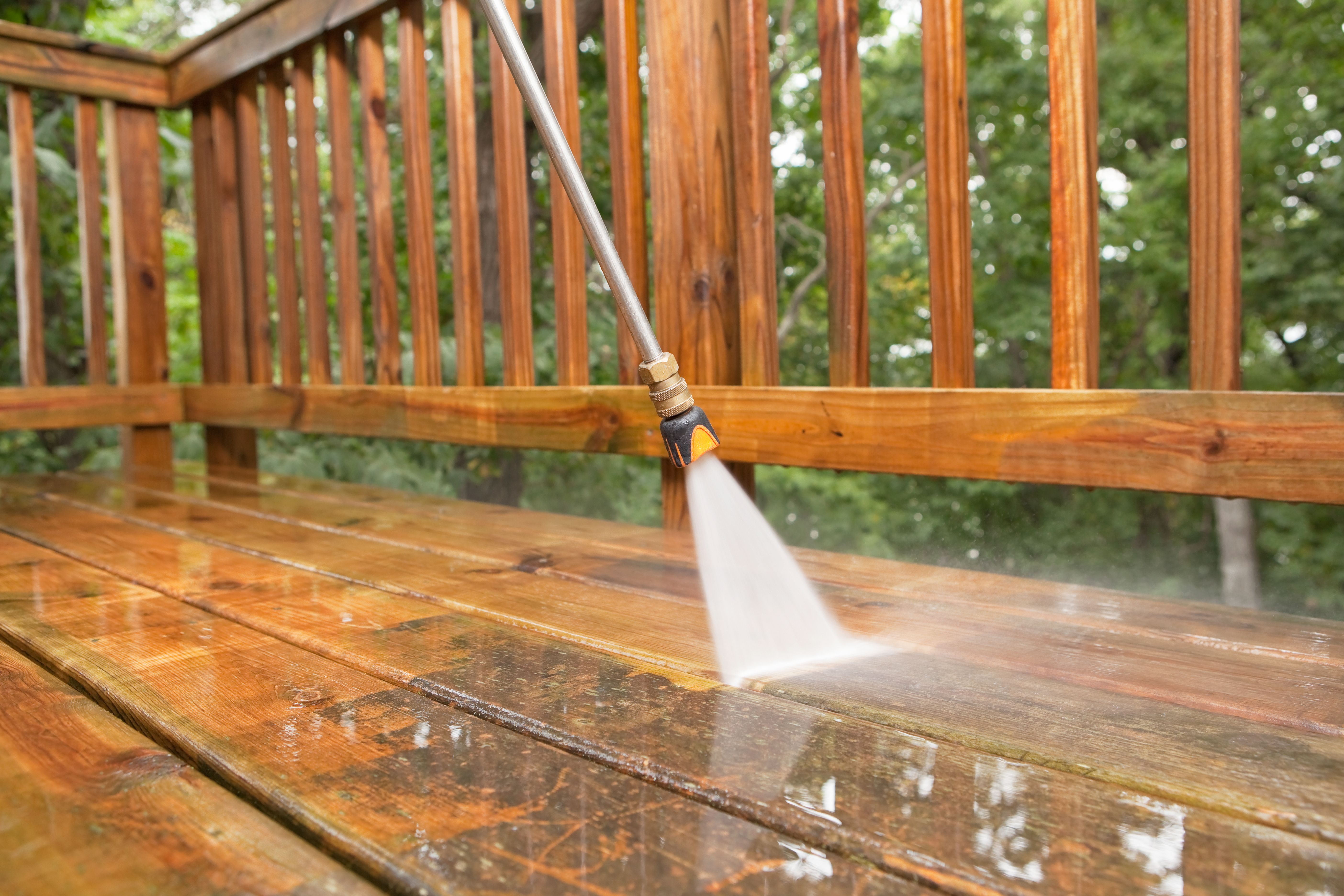
Different areas of your home may require specific attention. For example, decking might need a gentler touch compared to concrete driveways. Adjust the pressure settings accordingly and consider using different nozzles for varied surfaces to ensure optimal cleaning without causing harm.
Post-Washing Maintenance
After pressure washing, it's important to carry out some maintenance tasks. Inspect the cleaned areas for any signs of damage and repair them as needed. Additionally, applying a sealant to certain surfaces like wood decking can offer extra protection against moisture and prolong the life of the material.
Regular Maintenance Tips
To maintain the cleanliness and integrity of your home, consider setting up a regular pressure washing schedule. This not only keeps your property looking its best but also helps to prevent long-term damage from mold, mildew, and grime buildup. Regular maintenance can significantly extend the lifespan of your home's exterior surfaces.

In conclusion, pressure washing is a valuable tool in preparing your home for the rainy season. By following these tips and techniques, you can protect your property from the damaging effects of rain and keep it looking pristine year-round. Remember, the key lies in using the right equipment, techniques, and maintenance practices to achieve the best results.