DIY vs. Professional Pressure Washing: What You Need to Know
KG
The Basics of Pressure Washing
Pressure washing is a powerful method used to clean surfaces such as driveways, decks, and the exterior of houses. It involves using high-pressure water to remove dirt, grime, mold, and other debris. While it can be highly effective, the question often arises: should you tackle this task yourself or hire a professional?
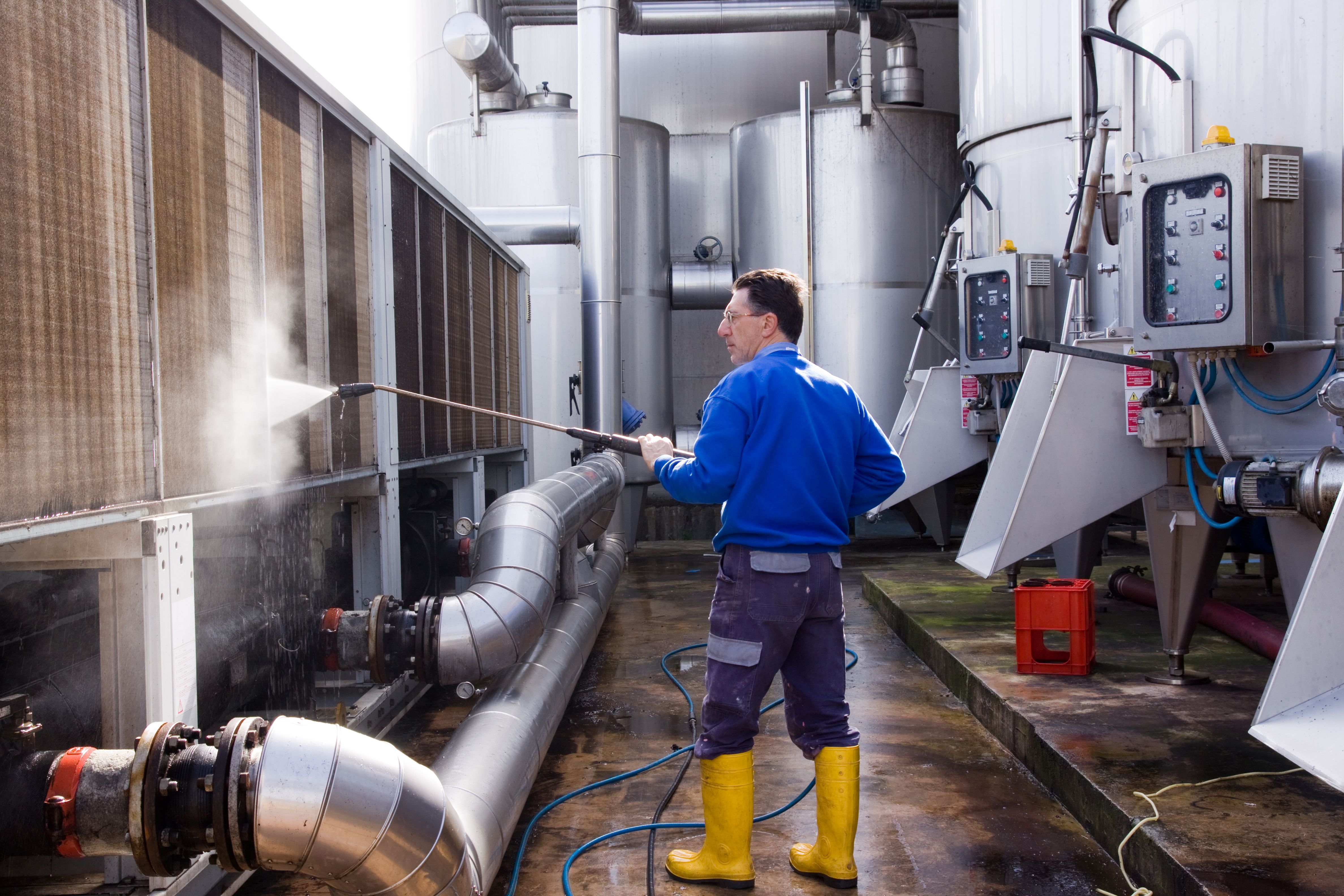
DIY Pressure Washing: Pros and Cons
Pros
One of the main advantages of DIY pressure washing is cost savings. By renting or purchasing a pressure washer, you can potentially save money compared to hiring a professional service. Additionally, doing it yourself allows for flexibility in timing and the satisfaction of completing a project on your own.
Cons
However, DIY pressure washing comes with its drawbacks. Without proper experience, there's a risk of damaging surfaces. High-pressure water can strip paint, damage wood, and even cause injuries. Moreover, the time and effort required can be significant, especially if you're unfamiliar with the equipment.
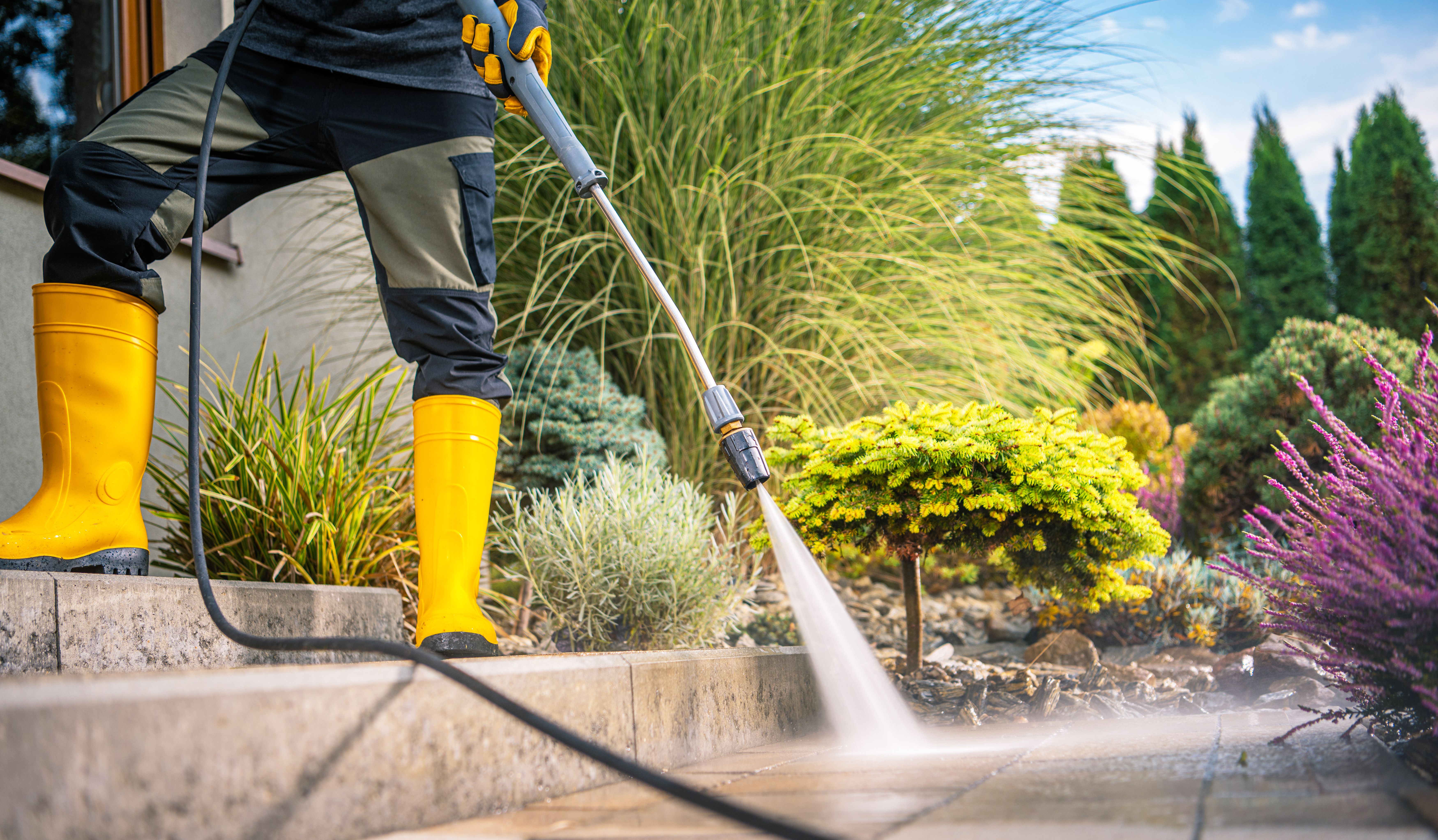
Professional Pressure Washing: Pros and Cons
Pros
Hiring a professional service ensures expertise and efficiency. Professionals are trained to handle various surfaces and have access to commercial-grade equipment. They can complete the job quickly and safely, often delivering superior results. Furthermore, services typically include insurance, adding a layer of protection against potential damages.
Cons
The main downside to professional pressure washing is the cost. It can be more expensive than doing it yourself. Additionally, scheduling may require more planning, and you might need to wait for availability, especially during peak seasons.
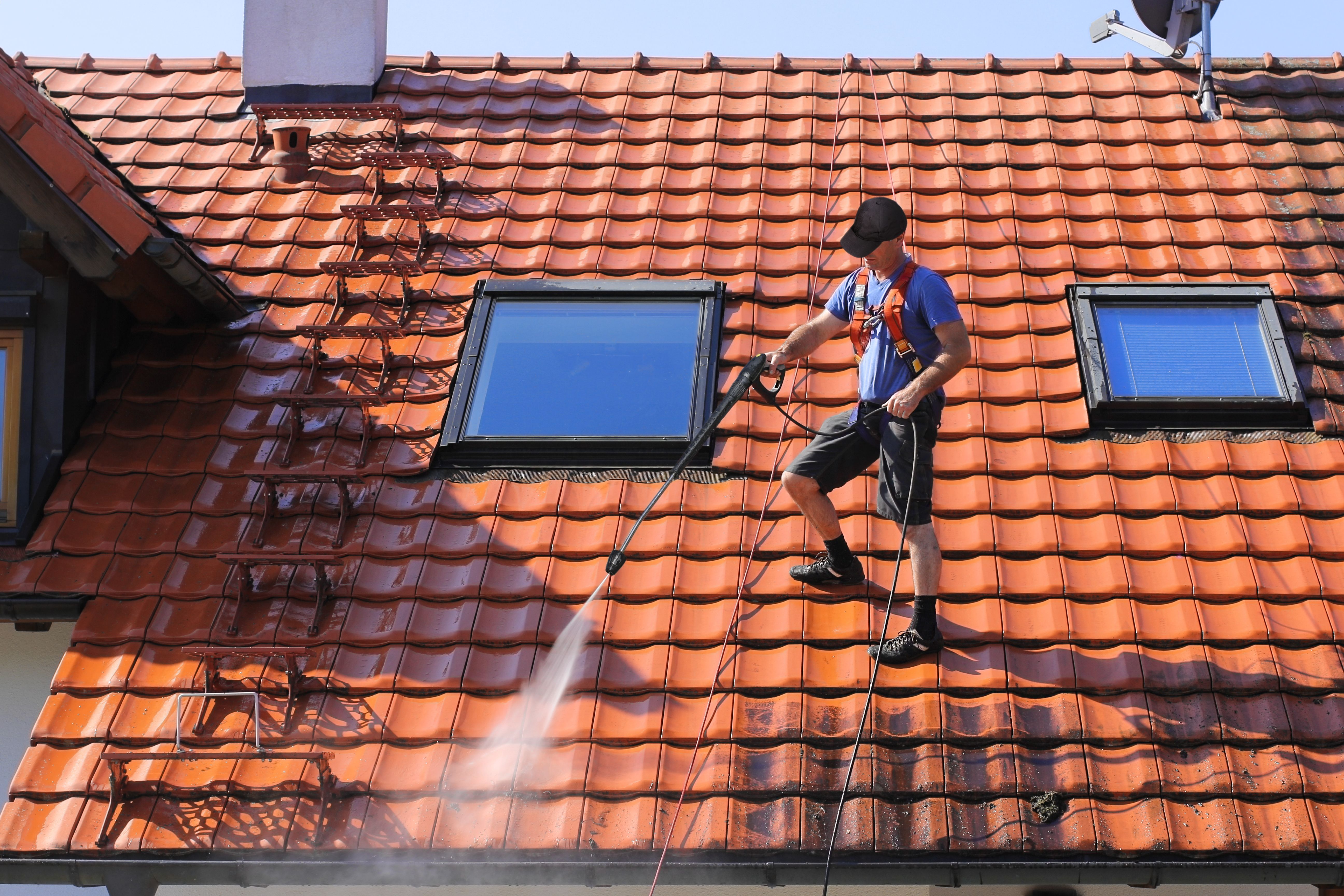
Factors to Consider When Deciding
When deciding between DIY and professional pressure washing, consider these factors:
- Budget: Compare the costs of renting or buying equipment versus hiring a service.
- Time: Assess how much time you can dedicate to the project.
- Expertise: Reflect on your comfort level and experience with pressure washing equipment.
- Surface Type: Consider the surfaces you need to clean and their vulnerability to damage.
Safety Considerations
Whether you choose to go DIY or hire a professional, safety is paramount. If you opt for DIY, ensure you wear protective gear, such as goggles and gloves, and familiarize yourself with the equipment. Professionals should follow industry safety standards to prevent accidents and damage.
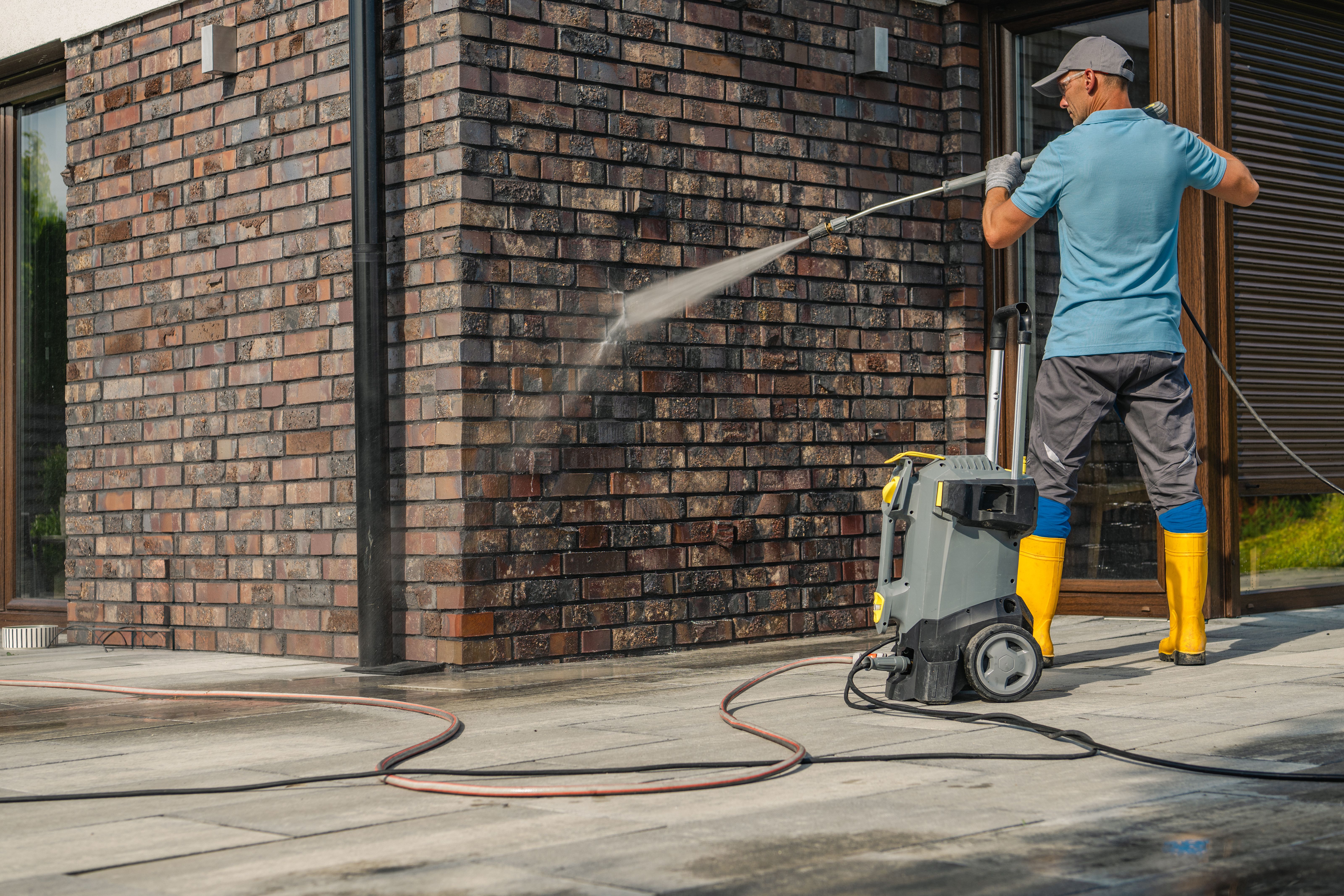
Conclusion
Ultimately, the decision between DIY and professional pressure washing depends on your specific needs, budget, and expertise. While DIY can be rewarding and cost-effective, professional services offer convenience and peace of mind. Carefully weigh the pros and cons to make the best choice for your cleaning project.